

In This Blog:
- Introduction
- What Is Cervical Pain?
- Common Causes of Cervical Pain
- Effective Ways for Cervical Pain Relief
- Cervical Pain Exercises
- How to Prevent Cervical Pain
- When to See a Doctor
-
FAQs
- What Is the Fastest Way to Relieve Cervical Pain?
- Which Exercises Are Best for Cervical Pain?
- Can Cervical Pain Be Cured Permanently?
- Is Heat or Cold Better for Neck Pain?
- Can Poor Posture Cause Cervical Pain?
- Should I Exercise When I Have Neck Pain?
- When Is Cervical Pain Serious?
- Can Cervical Pain Cause Shoulder or Arm Pain?
Introduction
Waking up with a stiff neck is something we have all experienced at least once. For some this stiffness may go away after a few hours, but sometimes it can hang around for weeks and may start to affect your sleep, work, and mood. Cervical pain, which most people simply call neck pain, is discomfort in the seven small bones of the neck and the muscles, joints, discs, and nerves around them. Common triggers include muscle strain, long hours at a desk, an awkward sleeping position, a minor injury, or age-related changes in the spine. What helps depends on what’s causing it, so it’s worth understanding the basics before you try anything.
Featured Products
-
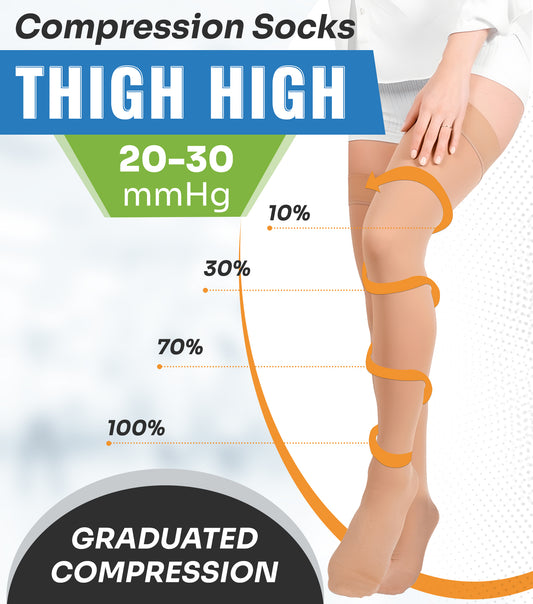
20-30 mmHg Compression Stockings Thigh-High, Closed Toe
Regular price $24.99Regular price Sale price $24.99Unit price -
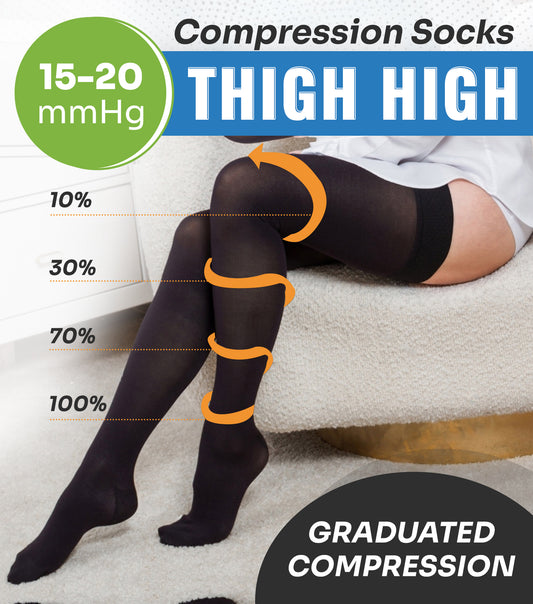
15-20 mmHg Compression Stockings Thigh-high, Closed Toe
Regular price $24.99Regular price Sale price $24.99Unit price -
Anti-Embolism Stockings Thigh High, 15-20 mmHg, White
Regular price $16.99Regular price Sale price $16.99Unit price


Featured Products
-
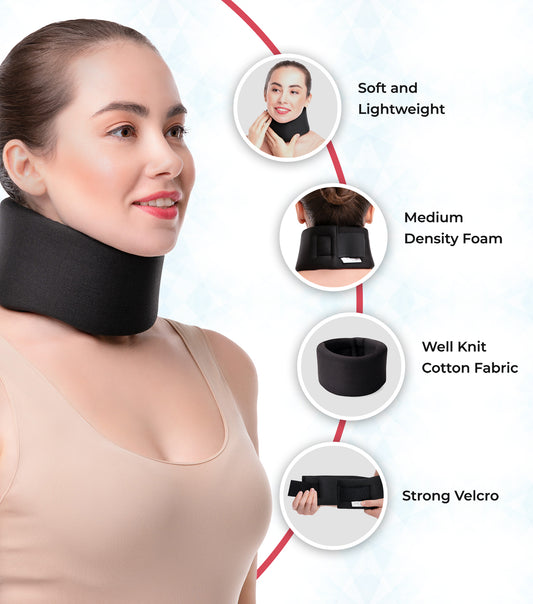
Soft Neck Brace For Men and Women, SNUG360® Premium Soft Foam Cervical Collar
Regular price $9.99Regular priceUnit price$11.99Sale price $9.99Sale

What Is Cervical Pain?
The upper part of your spine, from the base of your skull to the shoulders, is called your cervical spine. It supports a head weighing about 4-5 kilograms, and you can nod, turn, and tilt it all day long. This is a lot of work for such a small stack of bones, so they need muscles, ligaments, joints, discs, and nerves to work together. If something in this system becomes irritated, you may experience it.
- Pain or a dull ache in the neck
- Stiffness and decreased range of motion, such as having trouble looking over your shoulder
- Tight, knotted muscles
- Headaches beginning at the back of the head
- Pain that radiates towards the arm or shoulder
Remember, neck pain doesn't necessarily mean cervical spondylosis or a serious spine condition. Most neck pain is mechanical, or caused by overworked or irritated muscles and joints. Cervical spondylosis is a particular issue that includes the age-related deterioration of the discs and joints. A pinched nerve or cervical radiculopathy is yet another type of nerve compression. These conditions' symptoms may look similar, but they are not the same thing.
Common Causes of Cervical Pain
There isn’t one single common cause. Here are the usual suspects.
Poor Posture/Prolonged Desk or Screen Use
When you're looking at your phone or leaning towards your laptop, the neck muscles are constantly engaged. Posture can be a factor, but it is not the cause of all problems, so don't point fingers at
Strain or Tension of Muscles
Lifting a heavy bag or doing stress or an unusual exercise can cause the muscles to become sore and tight.
Awkward Sleeping Position
If your pillow is too high or too flat, or if you sleep with your head twisted, you'll need to get up stiff in the morning.
Cervical Spondylosis/Age-Related Changes
Water loss from discs and deterioration of joints occur as age increases. Many people have these changes on a scan without any pain at all.
Herniated or Bulging Disc
A disc that bulges into the surrounding nerves can irritate them.
Pinched Nerve
This can be more intense than muscle pain and can be accompanied by numbness or tingling.
Whiplash or Other Injury
The soft tissues may be strained, or the spine may be damaged during a fall, sports injury, or car crash.
Arthritis or Inflammatory Conditions
The joints of the neck can be affected by rheumatoid arthritis and other conditions.
Effective Ways for Cervical Pain Relief
In most cases, neck pain can be treated with simple measures that can be implemented at home. Following are some effective ways to help your neck to relax.
Gentle Movement and Avoid Prolonged Static Positions
Keep moving, gently. Rest is crucial, but prolonged periods of rest can make the neck stiff. It is better to move around using simple movements throughout the day than to lie flat or remain in the same position.
Try Heat or Cold Therapy
Cold packs can help to relieve the pain in the first day or two after a strain. Tight muscles will often relax when heated, such as by a warm towel or hot shower. Wrap one in cloth and use it for approximately 15-20 minutes. Do whatever you prefer.
Posture and Workstation-Related Adjustments
Adjust the height of the screen to eye level, keep elbows relaxed, and do not lean the head forward. If you are using a laptop, a stand and a separate keyboard can make all the difference.
Use Appropriate Pain-Relieving Medication Only As Directed
Carefully use pain relief. Some people may be able to use over-the-counter medicines, but only as directed on the label or by a pharmacist or doctor, particularly if you have other health problems.
If Reoccurs Visit A Physiotherapist
A plan that targets your specific neck and habits can often be very effective in treating persistent or recurring pain.
Activity Modification Without Prolonged Immobilization
If it makes it worse, avoid heavy lifting for a couple of days, but try to maintain normal daily activities.
A Short Note On A Neck Brace Or Neck Support
They are sometimes recommended after an injury but are not usually recommended for prolonged use as a general remedy, as the neck does better if it remains suitably mobile. Do not use unless directed by a clinician.
Quality neck support such as the SNUG360 neck brace can provide gentle support and comfort when engaging in self-care. It's not a cure or cervical pain treatment for the condition, but it can make a big difference in managing pain.
Cervical Pain Exercises
Neck pain exercises are intended to be slow, light, and comfortable. They will not cure neck pain, but they will help keep the area mobile and decrease stiffness. Take slow steps, breathe easily, and remain in a range that is not painful. Here is some common exercise to relieve neck pain.
Gentle neck rotations
Sit tall, and turn your head slowly to one side until a slight stretch is felt, hold for a couple of seconds, and turn to the other side. Repeat approximately 5 times each direction.
Side-To-Side Neck Stretch
Bring the ear towards the shoulder, but do not raise the shoulder. Press for 15-20 seconds and repeat on the other side.
Chin Tucks
Look straight ahead and gently draw your chin back, as if making a double chin. Hold for a few seconds and then release. Do 8 to 10 repetitions. Physiotherapists often use this exercise in rehabilitation protocols. It works on the deep muscles of the front of the neck.
Shoulder Rolls
Raise shoulders towards ears, roll shoulders back and down in a smooth motion, and repeat 10 times.
Upper-Back/Shoulder Mobility Exercise
Place hands behind head, elbows wide, and slowly lean back over the top of the chair. Another option is to squeeze your shoulder blades together for 5 seconds at a time.
Exercise Safety Guidelines
When performing exercises, always stay inside a comfortable limit. It's okay if it feels a little stretched, but sharp pain is not okay. If the exercise makes your symptoms worse or causes new symptoms such as tingling, numbness, or weakness, stop and talk to a doctor or physiotherapist.
How to Prevent Cervical Pain
While you can't prevent all neck pain, adopting a few simple habits can significantly lower your risk.
- Keep your back straight and your ears level with your shoulders.
- Get up or away from sitting or screens every 30-45 minutes
- Adjust your monitor to eye level (the top of the monitor is approximately at eye level)
- Make sure the pillow maintains the neck in line with the spine.
- Move around, walking, swimming and light strength work are all beneficial
- Do not maintain a good position of the neck for too long.
When to See a Doctor
While most pain is not serious, there are some signs that should not be overlooked. Get medical help immediately if you have:
- Very intense pain that is rapidly worsening
- Pain following a large fall, accident, or other trauma.
- Arm or leg weakness or numbness
- Difficulty walking or standing up and down.
- The inability to control the bladder or bowels.
- Fever and a very stiff neck, or neck pain.
- Persistent pain that is not getting better after a couple of weeks, despite self-care.
Frequently Asked Questions (FAQs)
1. What is the fastest way to relieve cervical pain?
There is no single instant fix that can cure it all. Gentle movements, heat or cold, and improving the workstation are the typical initial steps for mild pain. For persistent pain, it is best to see a professional.
2. Which exercises are best for cervical pain?
Typical exercises include chin tucks, gentle neck rotations, side stretches, shoulder rolls, and upper back mobility exercises. They can be adapted to your needs by a physiotherapist.
3. Can cervical pain be cured permanently?
This will depend on the cause. Muscle strain usually can completely heal. Age-related changes or disc problems can be managed, and symptoms may come and go. No exercise or product guarantees a permanent cure.
4. Is heat or cold better for neck pain?
Heat may help relax the tight, stiff muscles, while cold may help as soon as after a strain. Both are safe for most when used for short periods of time with a cloth barrier. Choose what seems more comfortable to you.
5. Can poor posture cause cervical pain?
Yes, it can contribute, particularly with long hours at the desk. But it's not the cause in all cases, as other factors such as injury and disc issues also contribute.
6. Should I exercise when I have neck pain?
Gentle, comfortable movement is generally encouraged. Do not do anything that makes the pain worse, and discontinue immediately if new symptoms occur.
7. When is cervical pain serious?
Be cautious if you experience weakness, numbness, balance problems, loss of bladder or bowel control, fever, or trauma. These require immediate medical care.
8. Can cervical pain cause shoulder or arm pain?
It can. If a nerve in the neck is irritated, it can cause pain, tingling, or numbness in the shoulder or arm. If this occurs, particularly with weakness, have it checked.
