

In This Blog:
Effective Ways to Relieve Cervical Pain: Tips, Exercises, and Lifestyle Changes
Neck pain is a common problem affecting 30-50% of adults. The risk factors include smartphone overuse, prolonged sitting, computer use, and aging. Cervical pain refers to any pain, discomfort, and soreness originating from the neck, which is made up of the seven vertebrae of the cervical spine.
Cervical pain can be a temporary condition or may be a chronic condition that interferes with your daily life if not treated promptly. Fortunately, most causes of neck pain are not serious and can be managed with non-invasive treatments such as pain medications, supportive aid, exercise, and stress management.
In this blog, we’ll discuss practical ways to ease cervical pain, from simple exercises to healthy lifestyle adjustments. Let's get started.
What are the Common Causes of Cervical Pain
Below are some common reasons that cause cervical pain:
1. Poor Posture
Poor posture puts extra strain on the neck and spine, leading to muscle imbalances, possible nerve compression, and fatigue. Whenever you slouch or lean your head forward, the neck muscles work harder to support your head, increasing the risk of long-term spinal issues.
2. Prolonged Desk Work
Prolonged desk work can lead to poor posture, with your head leaning forward. This forward head posture is often caused by improper workstation ergonomics, like a monitor that is too low or a chair that lacks support. It increases the weight and pressure on the cervical spine, leading to muscle stiffness and fatigue.
3. Sleep Position
Poor sleep posture can misalign your neck with your spine and strain the surrounding muscles. Sleeping on your back or using an improper pillow can also misalign your spine, leading to pain, soreness, and stiffness. For additional support, some people find relief using soft neck braces soft neck braces recommended by their doctor during recovery.
4. Stress
When you are under stress, your body releases various hormones like adrenaline (also called epinephrine) and cortisol that trigger your fight-or-flight response. This hormone trigger causes our muscles, including those in our neck, to tense up as a defence mechanism. Long-term stress persistence can lead to chronic cervical issues.
5. Injuries
Injuries can strain and tear soft tissues, damaging nerves and destabilizing the spine, causing cervical pain. Other injuries e.g., whiplash or degenerative changes in the cervical spine (such as disc degeneration, osteoarthritis) increase the risk of chronic neck pain.
Featured Products
-
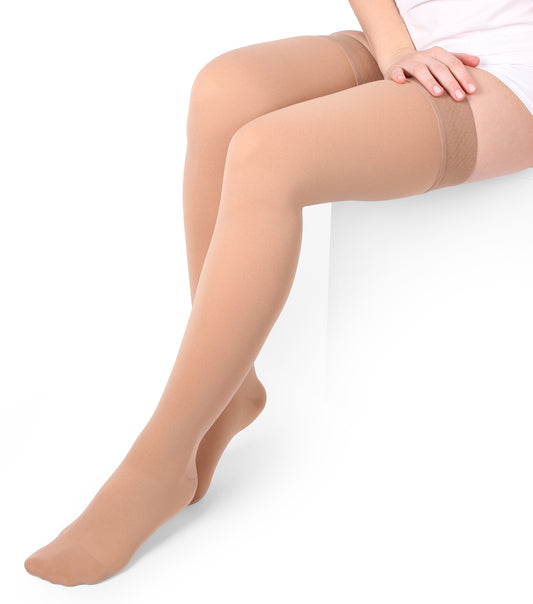
20-30 mmHg Compression Stockings Thigh-High, Closed Toe
Regular price $24.99Regular price Sale price $24.99Unit price -
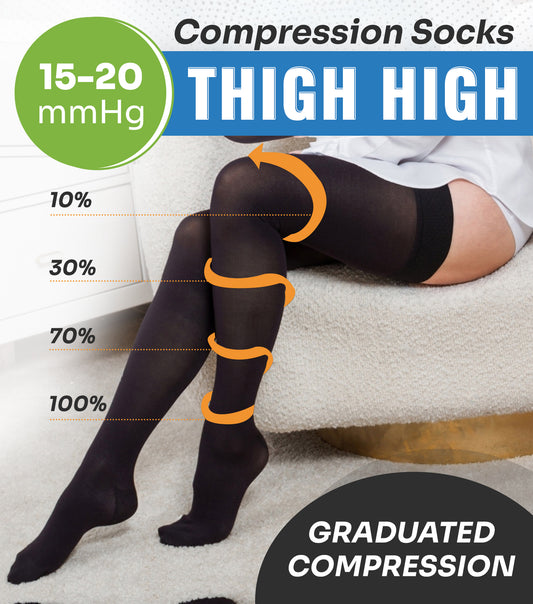
15-20 mmHg Compression Stockings Thigh-high, Closed Toe
Regular price $24.99Regular price Sale price $24.99Unit price -
Anti-Embolism Stockings Thigh High, 15-20 mmHg, White
Regular price $16.99Regular price Sale price $16.99Unit price

Featured Products
-
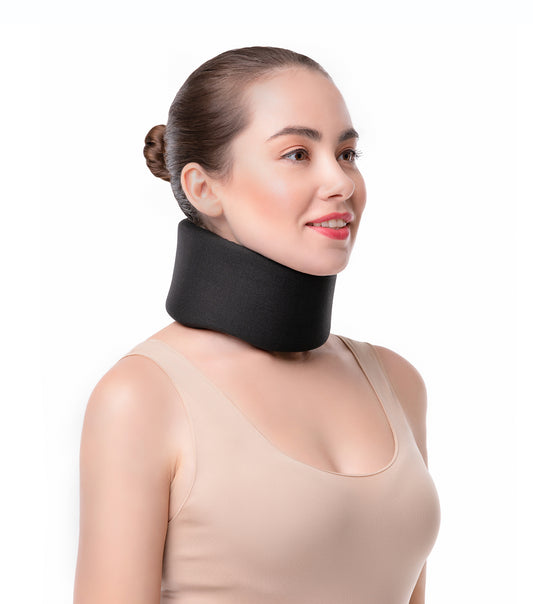
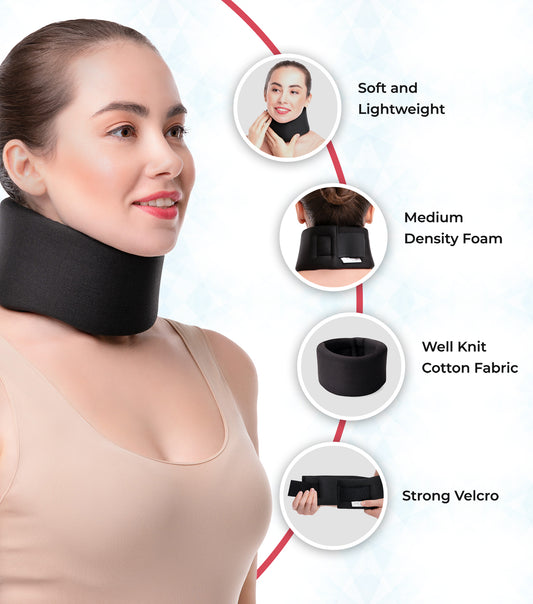
Soft Neck Brace For Men and Women, SNUG360® Premium Soft Foam Cervical Collar
Regular price $9.99Regular priceUnit price$11.99Sale price $9.99Sale
Immediate Relief Tips
Do you wake up with a stiff neck or feel soreness after hours at the screen? These are some immediate steps that can help ease the neck pain.
Ice or Heat Therapy
Apply a cold pack for 10-15 minutes after a minor strain in the first 24-48 hours; applying it a few times will help reduce inflammation. After that period, apply heat therapy using a warm towel or heating pad to help relax muscles and improve the blood flow. Professionals recommend applying cold treatment immediately after an injury, then warm therapy for ongoing stiffness.
Gentle Stretches
Gentle stretches such as turning your head slowly from side to side (left and right) and gently tilting your head forward towards your chest, then back, will help you maintain movement. You can perform this stretch after sitting for a long time to encourage movement and reduce stiffness.
Proper Pillow Support
When you sleep, your pillow should support the natural curve of your neck. Avoid using stiff, high pillows that force your head forward. Correct pillow support helps maintain healthy spinal alignment, reduces pressure points, allows tense muscles to relax, improves blood circulation, and, as a result, provides immediate relief. In some cases, using a neck brace collar temporarily may help reduce motion and ease discomfort.
Note: Keep in mind that these immediate relief practices don’t replace complete treatment, but they do help manage day-to-day discomfort and prevent things from worsening.
Exercises for Neck Strength and Flexibility
Regular movement and strengthening can make a big difference in easing and preventing cervical pain. Exercise helps maintain flexibility, improves posture, and strengthens muscles that support your neck and shoulders. Here are some easy at-home exercises you can try:
Forward and backward Neck Tilt
Sit or stand straight. Gently tilt your head forward so your chin moves toward your chest. Hold for 5 seconds, then slowly lift back to neutral position. Repeat 5–10 times.
Side Tilt
Slowly tilt your head to bring your right ear toward your right shoulder, keeping your shoulder relaxed. Hold for 5 seconds, then return to the center and switch sides.
Shoulder Rolls
Roll your shoulders slowly backward and downward ten times then repeat forward. This increases shoulder and neck flexibility.
Chin Tuck
Sit upright, shoulders back. Gently tuck your chin toward your neck to create a "double chin." Hold for five seconds. Repeat ten times. This strengthens the muscles responsible for posture and the cervical spine.
Tip: When performing these exercises, avoid jerky motions to reduce the risk of injury. If you feel pain or numbness, stop immediately and consult a healthcare professional.
Lifestyle Adjustments to Relive Cervical Pain
Neck pain often sneaks up from the way we sit, sleep, or spend our day. A few small changes in posture and lifestyle can make a big difference. Here are some tips:
1. Posture and Ergonomics:
- Start with your desk setup, keep your monitor at eye level so you don’t have to lean forward. The top of your screen should be at or just below eye height.
- Use a headset or speaker instead of holding your phone between your shoulders and your ear.
According to the Occupational Safety and Health Administration (OSHA), well-designed workstations can significantly reduce the risk of musculoskeletal disorders, such as neck and shoulder pain.
2. Correct Sleeping Posture:
- Rest on your back or your side, not on your stomach
- Use a good pillow that supports your neck's natural curve.
- You can use a cervical neck brace to help keep your neck in a neutral position during rest, if your doctor recommends it.
- Getting 7–8 hours of quality sleep also helps your body heal and reduces stiffness.
3. Daily Habit Adjustments:
- Stress management: Stress can tighten neck and shoulder muscles, so try simple breathing exercises, meditation, or yoga to relax; even a few minutes can help.
- Regular breaks: If you spend long hours at a desk, take a short break every 30–45 minutes to stretch your neck and roll your shoulders.
- Exercise: Try low-impact activities like walking, swimming, or gentle yoga to improve neck flexibility and strength.
When to See a Doctor
While mild neck pain often improves with rest and exercise, more severe symptoms may require medical evaluation. Below are some red flags that require immediate professional attention. See a doctor if you experience:
- Pain that persists beyond a few weeks or worsens over time.
- Numbness, tingling, or weakness in your arms or hands.
- Loss of coordination or trouble walking.
- Severe pain after an injury, such as a fall or car accident.
- Pain accompanied by fever, headache, weight loss, or persistent dizziness.
Experience Gentle Support with SNUG360’s Unisex Soft Neck Brace
Small lifestyle changes, such as improving your posture, taking regular breaks, doing gentle neck exercises, and choosing appropriate support tools, such as cervical neck braces, can help keep your neck pain-free. If you’re dealing with stubborn soreness or need extra stability during recovery, consider using a quality support brace like the SNUG360 soft neck support brace. It’s designed to gently align your neck, restrict harmful motion, and help relieve strain while you work, travel, sleep, or rest. Combining our collar for neck support with tips and lifestyle adjustments that we discussed can significantly help relieve cervical pain