

In This Blog:
Our wrists are among the most active parts of the body and support many daily activities. From typing on a keyboard, holding a phone, cooking, and lifting bags to playing sports, the wrist is always working. Because of this constant use, wrist injury can be painful and comes with frustration and distress caused by limited movement, impacting your quality of life.
A wrist brace is a supportive gear designed to provide stability and help keep your wrist properly aligned and protected. The light compression promotes healing and helps prevent further damage to the injured area. This simple device has become essential for athletes, gamers, and patients recovering from wrist injury.
If you experience wrist pain and numbness, especially during daily activities, it may be due to carpal tunnel syndrome. For people who are worried about surgery or expensive treatment, a wrist brace can help provide significant relief without the need for surgery. Let’s explore how a support brace for the wrist helps with healing and supports daily movements.
Featured Products
-
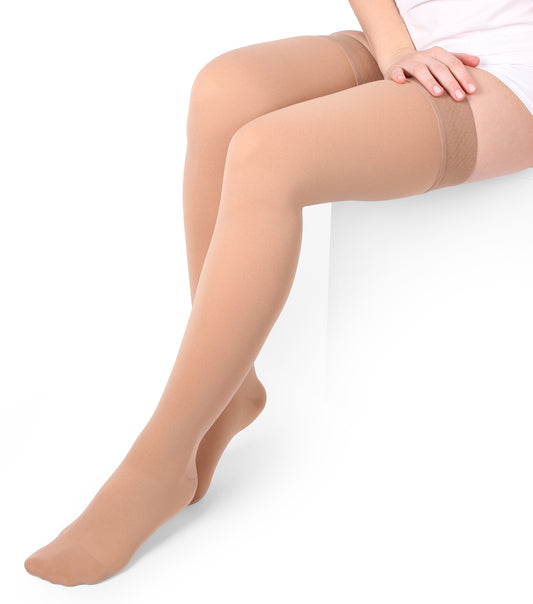
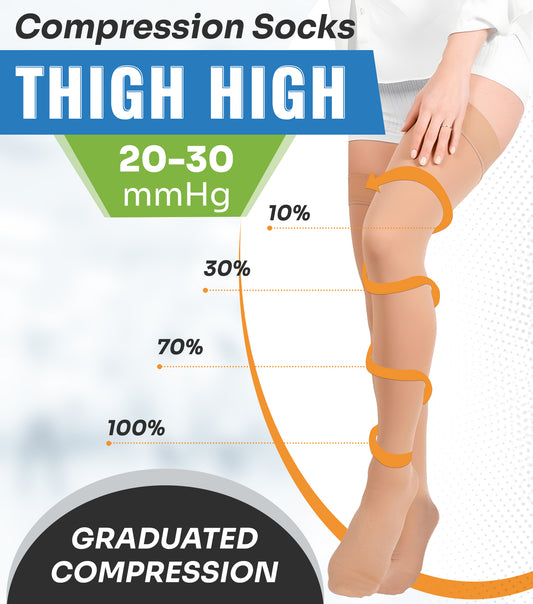
20-30 mmHg Compression Stockings Thigh-High, Closed Toe
Regular price $24.99Regular price Sale price $24.99Unit price -
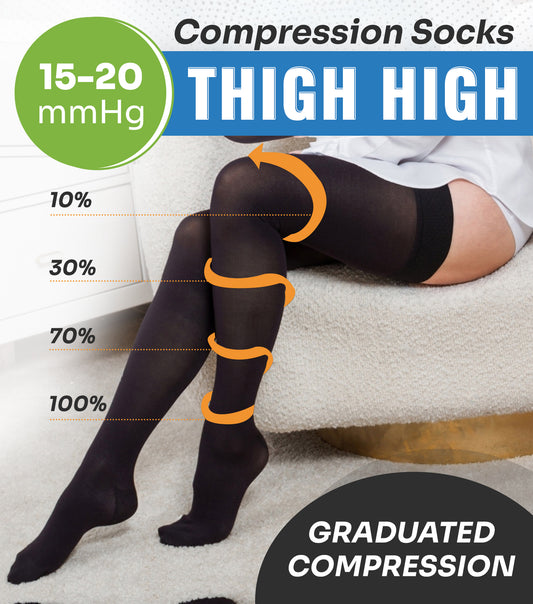
15-20 mmHg Compression Stockings Thigh-high, Closed Toe
Regular price $24.99Regular price Sale price $24.99Unit price

Featured Products
-
SNUG360® Wrist Brace W/ Removable Aluminum Splint
Regular price From $9.99Regular price Sale price From $9.99Unit price -
SNUG360® Universal Wrist Brace
Regular price $9.99Regular price Sale price $9.99Unit price
What Are the Common Uses of Wrist Braces?
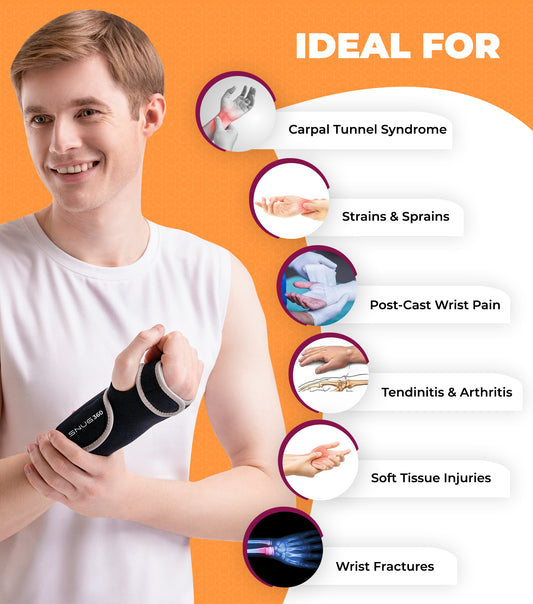
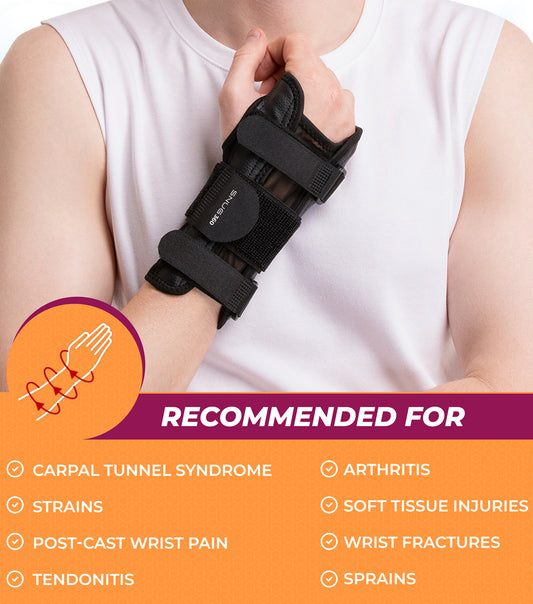
Wrist braces help reduce strain by reducing the stress on ligaments and tendons. They stabilize the wrist, limit excessive motion, and keep the wrist in a neutral position, which is very important for healing.
-
For Post-Surgery Recovery
Doctors commonly recommend wrist splints for recovery after surgeries such as carpal tunnel release, fracture healing, or tendon repair. The brace acts like a shield to prevent re-injury and protect healing tissues. It also helps control swelling and avoid sudden movement that can damage the recovery process.
-
Support During Sports Training
Athletes in sports like tennis, badminton, gymnastics, and weightlifting often wear wrist support to reduce strain during repetitive or high-stress movements. It helps keep the wrist stable when force is suddenly applied. This is useful not only for injured athletes but also for injury prevention.
-
Wrist Sprain and Strain
Wrist injuries often include sprains and strains, which are quite common. They help limit painful movement and give rest to stretched ligaments. This controlled support allows healing while still letting you do light tasks.
-
Support Carpal Tunnel Syndrome
Carpal tunnel syndrome causes pain, tingling, and numbness in the hand and wrist. A support brace for the wrist helps by keeping the wrist straight, reducing pressure on the nerve. Many people find relief wearing a brace during work or at night.
-
Support With Everyday Activity
Even simple activities like chopping vegetables, driving, writing, or scrolling on a phone can stress the wrist. Wrist braces help support these small movements and reduce pain during the daily routine.
How a Support Brace for Wrist Supports Healing
Here are common ways through which wrist braces help support healing.
-
Offer Alignment and Immobilization
Brace and keep the wrist in the proper position. This prevents twisting or bending that can delay healing. Correct alignment allows tissues to repair correctly.
-
Reduce Inflammation
Compression from a wrist brace helps reduce swelling by improving blood flow. Less swelling means less pain and faster recovery.
-
Provide Relief From Pain
By limiting movement and reducing pressure on the injured area, a wrist brace helps decrease pain.
-
Offer Protective Shield
The brace acts as a barrier against sudden movement or accidental hits. This protection is very important during the early healing stage.
How a Wrist Brace Helps With Daily Movements
If you experience pain and discomfort during daily movements, a wrist brace can significantly aid daily function.
-
It Allows Function Without Fear of Reinjury
With a wrist brace, you can perform daily activities with less pain. Whether it is office typing, daily chores like cooking and cleaning, or even lifting light weights in the gym, braces give confidence and support.
-
Prevent Overextension
Many wrist injuries result from overextension. Braces limit excessive bending and stretching, reducing the chance of worsening injury.
-
Reduce the Repetitive Strain
Repetitive tasks slowly damage the wrist over time. A wrist brace reduces strain by supporting muscles and tendons during repeated motion.
Important Tips While Using a Wrist Brace
Using a wrist correctly is really important to ensure proper healing and prevent further injury if you are using it during recovery. Here are some essential tips to keep in mind while using a support brace for the wrist.
-
Avoid Over-Dependency
One common mistake is wearing a wrist brace all the time. Overdependency can weaken wrist muscles.
-
Choose Correct Fit
A too-tight brace can block blood flow and cause numbness. A too-loose brace won’t provide support. The wrist brace should feel snug, not painful.
-
Combine With Rest and Exercise
Wrist braces work best when combined with rest and gentle wrist exercises. After pain reduces, slow movement helps regain strength.
Why the SNUG360 Wrist Brace Is Worth Trying
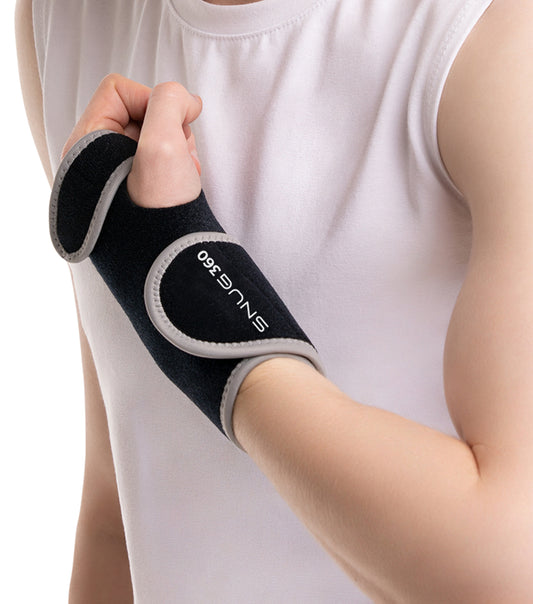
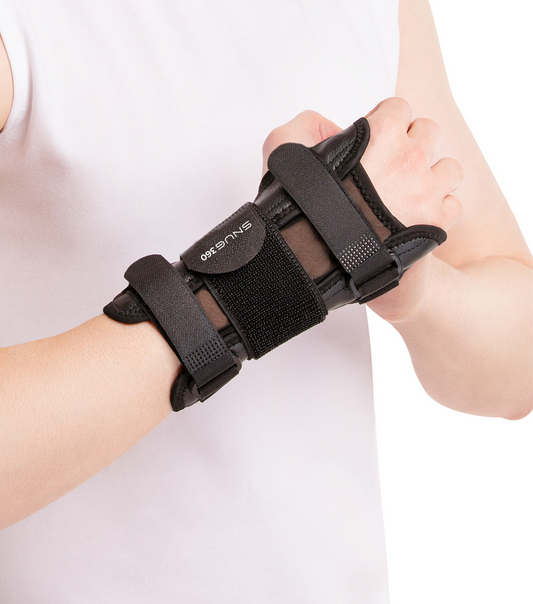
If you are looking for reliable, comfortable, and effective wrist support, the SNUG360 wrist brace is worth trying. Our wrists are designed to provide balanced compression and stability without restricting natural movement. They are lightweight, breathable, and suitable for daily wear. Our wrist braces feature a thumb hole design, and they are fully adjustable for a customized fit.
Soft and comfortable, these braces provide strong support for fragile recovery while also being ideal for high-impact sports. Whether you are recovering from injury, dealing with wrist pain, or trying to prevent strain, our wrist brace supports both healing and daily movement. Your wrist does a lot for you every day, so give it the quality support it deserves.