

In This Blog:
- Introduction
- Common Reasons for Leg Swelling and Fatigue
- Excessive Standing and Sitting
- Lymphedema
- Varicose Veins
- Chronic Venous Insufficiency (CVI)
- What are Some Natural Ways to Reduce Leg Swelling and Fatigue?
- Wear Compression Socks or Stockings
- Elevate Your Legs Above the Heart
- Gentle Leg Movement and Exercises
- Increase Water Intake to Flush Sodium
- Reduce Dietary Salt Consumption
- Perform Self-Massage
- Manage Weight to Reduce Pressure
- Reduce Swelling and Fatigue Easily with SNUG360 Compression Socks
Fluid retention can occur for a variety of reasons, including disease, pregnancy, and prolonged sitting or standing. Leg swelling, also known as peripheral edema, is a very common issue that frequently causes pain and is a major, often undertreated health issue in the United States. Leg swelling is caused by excess fluid retention in the lower extremity tissues. Fluid that should normally be in the circulatory system can leak into the muscles and soft tissues of the leg and accumulate. While for some people it's a common occurrence due to fluid buildup, it can indicate serious health issues related to kidneys, liver, and thyroid.
It may also indicate problems with your veins, arteries, or lymphatic drainage, or the development of a clotting condition such as DVT (deep vein thrombosis). There are a variety of ways to manage swelling and fatigue, such as wearing high knee compression socks, elevating legs above the heart, exercising calf muscles, maintaining a healthy weight, and reducing salt intake to prevent fluid retention. If you frequently experience puffy feet and ankles, this blog explains what causes edema and how you can naturally reduce leg swelling and fatigue.
Featured Products
-
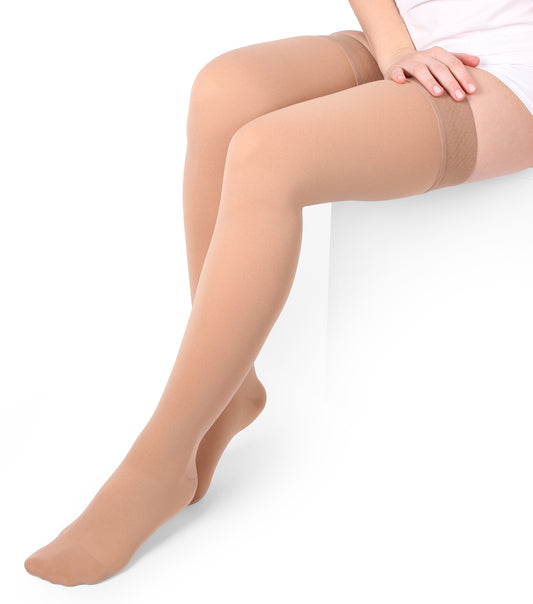
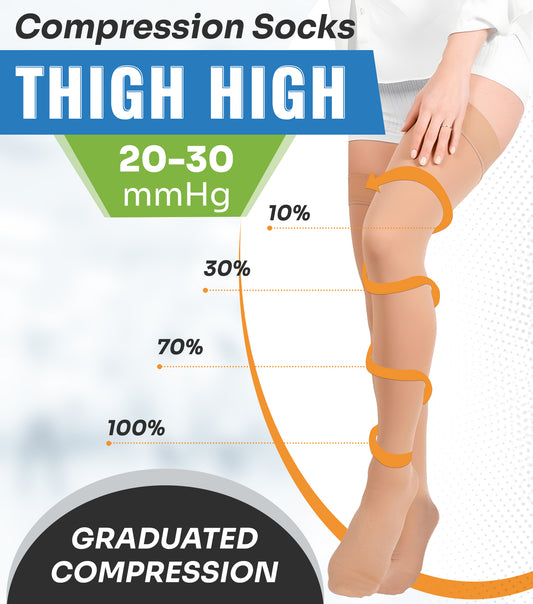
20-30 mmHg Compression Stockings Thigh-High, Closed Toe
Regular price $24.99Regular price Sale price $24.99Unit price -
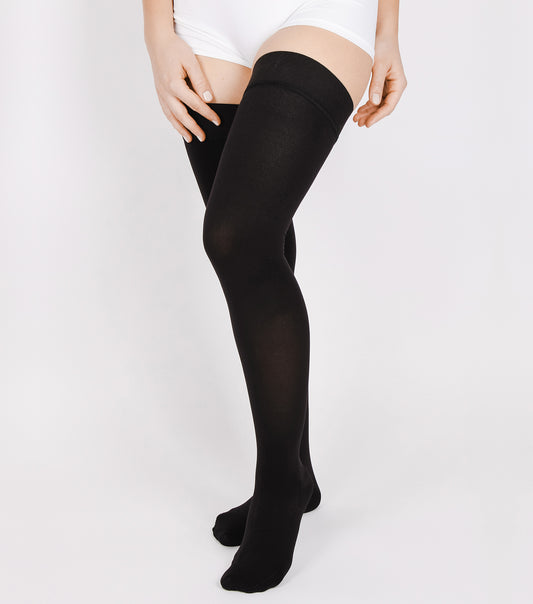
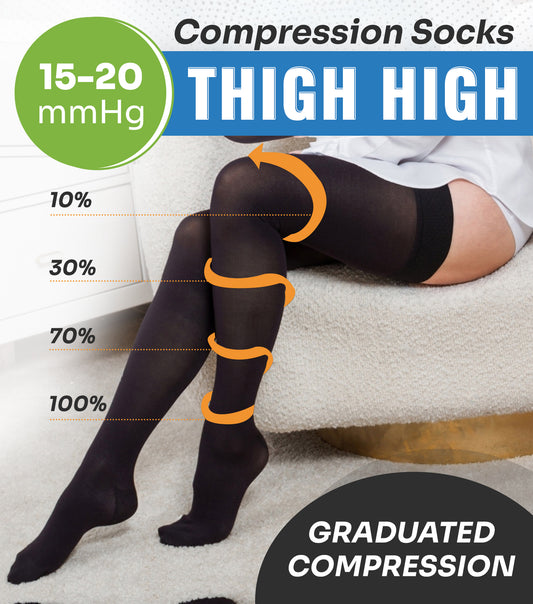
15-20 mmHg Compression Stockings Thigh-high, Closed Toe
Regular price $24.99Regular price Sale price $24.99Unit price
Featured Products
-
20-30 mmHg Compression Socks Knee-high, Closed Toe
Regular price $16.99Regular price Sale price $16.99Unit price -
15-20 mmHg Compression Socks Knee-High, Closed Toe
Regular price $16.99Regular price Sale price $16.99Unit price



Common Reasons for Leg Swelling and Fatigue
Below are some common factors that contribute to leg swelling and fatigue:
Excessive Standing and Sitting
People who are on their feet all day or sitting for long periods experience minor swelling at the end of the day, for instance, prolonged sitting in a car or standing at work. Individuals who are overweight and pregnant women are highly at risk of experiencing swelling and fatigue.
Lymphedema
Lymphedema, also known as lymphatic dysfunction, is a condition in which the lymph nodes in your body do not drain excess fluid from your tissues, leading to swelling.
Varicose Veins
Varicose veins affect 22 million women and 11 million men aged 40 to 80 years in the United States. Varicose veins are swollen, twisted, and enlarged veins with a blue or dark purple appearance. They cause leg swelling, pain, and discomfort, affecting your quality of life.
Chronic Venous Insufficiency (CVI)
This is a long-term condition in which leg veins struggle to return blood to the heart because the internal valves are damaged or weak. This causes blood pooling in your lower legs. Pooling increases venous pressure, leading to chronic swelling and aching.
What are Some Natural Ways to Reduce Leg Swelling and Fatigue?
Reducing leg swelling and fatigue requires improving circulation and helping your body manage fluid retention. Below are some simple methods that can provide significant relief.
Wear Compression Socks or Stockings
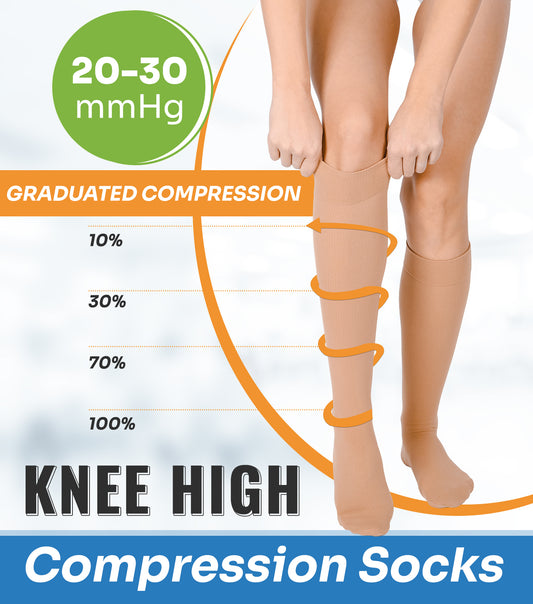
Compression socks and compression stockings apply gentle, consistent pressure to your lower legs, helping boost blood flow and prevent fluid from pooling in the tissues. These socks come in a variety of pressure levels, ranging from mild (15–20 mmHg) for minor swelling and ache to firm (20–30 mmHg) for moderate edema, DVT, and varicose veins. They are highly effective in reducing swelling, fatigue, and that tired feeling after long periods of standing and sitting.
Elevate Your Legs Above the Heart
Elevating your legs uses gravity to help drain accumulated fluid and improve blood return to your heart. You can do this by simply lying on your back and resting your legs on two or three pillows or against the wall. Perform it for 15-20 minutes several times a day to see a significant reduction in swelling. Pregnant women experiencing swelling and anyone who stands all day can try this to reduce swelling.
Gentle Leg Movement and Exercises
Regular movement acts as a pump for your veins and lymphatic vessels, moving fluid out of the legs. If you have a desk job, set a timer to stand up and walk for a few minutes every hour. Simple exercises, such as ankle pumps and flexing your feet up and down while sitting, can also help. You can also consider low-impact activities such as swimming or walking to improve overall circulation and strengthen calf muscles, which naturally reduce the risk of swelling and persistent fatigue.
Increase Water Intake to Flush Sodium
Drinking more water can significantly reduce swelling. When your body is dehydrated, it retains more fluid to compensate, which leads to swelling and fatigue. Consuming plenty of water keeps your system hydrated and helps flush excess sodium from your body. Drink 8-10 glasses of water per day to help eliminate toxins and reduce fluid buildup.
Reduce Dietary Salt Consumption
High salt or sodium intake is the primary reason for fluid retention in the body. Reducing consumption of processed food, fast food, and frozen meals can help your body maintain fluid balance. These foods are hidden sources of sodium, and cutting back on them can significantly reduce swelling. You can opt for fresh, whole foods and use herbs or spices to flavor your food instead of adding salt. These dietary adjustments allow your body to rebalance fluids naturally and help lower blood pressure.
Perform Self-Massage
Gently massaging your legs can significantly increase lymphatic fluid flow and reduce discomfort. Use your hands to apply firm pressure, moving them in upward strokes from your ankles to your knees. This technique helps move fluid out of the legs and encourages blood to return to the heart, reducing the pooling that causes fatigue. You can also use essential oils, such as peppermint or lavender, for a relaxing massage.
Manage Weight to Reduce Pressure
Maintaining a healthy weight can ease strain on your legs and circulatory system, significantly reducing persistent swelling. A higher body weight can put extra pressure on your legs and veins, making it harder for blood to flow back up and causing fatigue. A balanced diet and regular exercise can help control weight, reducing the pressure on your lower extremities and improving overall comfort and mobility.
Reduce Swelling and Fatigue Easily with SNUG360 Compression Socks
SNUG360 Compression socks are a simple, non-drug, non-invasive solution for reducing swelling and fatigue in your lower legs. These socks apply gentle pressure to your legs, helping improve blood flow and prevent fluid buildup that causes heaviness and discomfort. Whether you’re dealing with pregnancy-related swelling, long work hours, varicose veins, or even concerns like DVT, our compression socks will provide support to your legs throughout the day.
They are designed to offer comfort and effectiveness while seamlessly fitting into your daily routine, whether you are working, traveling, or managing conditions like chronic venous insufficiency. They will be the right companion in reducing swelling and help your legs stay pain-free, light, and more active. Don't let swelling and fatigue slow you down. Order your SNUG360 compression socks today and step into all-day comfort and relief.