

In This Blog:
- Introduction
- What Are Non-Slip Socks For The Elderly?
- Why Are Falls At Home A Concern For Seniors?
- Why Are Regular Socks Risky On Smooth Floors?
- How Do Socks With Grippers For Elderly Help Prevent Slips?
- Regular Socks Vs. Grippy Socks For Elderly Comparison
- What Should You Look For In Non-Slip Socks For Seniors?
- Who Can Benefit From Grip Socks For Seniors?
- Non-Slip Socks For Seniors Vs. Slippers Vs. Going Barefoot: What's Safer At Home?
- What Other Steps Help Prevent Falls At Home?
- How Do You Care For Non-Slip Socks For Seniors?
- When Should You See A Doctor About Falls Or Balance?
- Frequently Asked Questions (FAQs)
Smooth floors and regular socks create high slipping risks for older adults. Slick hardwood or tile offers almost zero traction with ordinary hosiery. Fortunately, specialized non-slip socks for elderly adults provide a practical way to secure safer footing on slick indoor surfaces. These garments are an excellent everyday comfort tool and part of a broader household fall-prevention plan that requires environmental modifications and professional medical oversight.
Featured Products
-
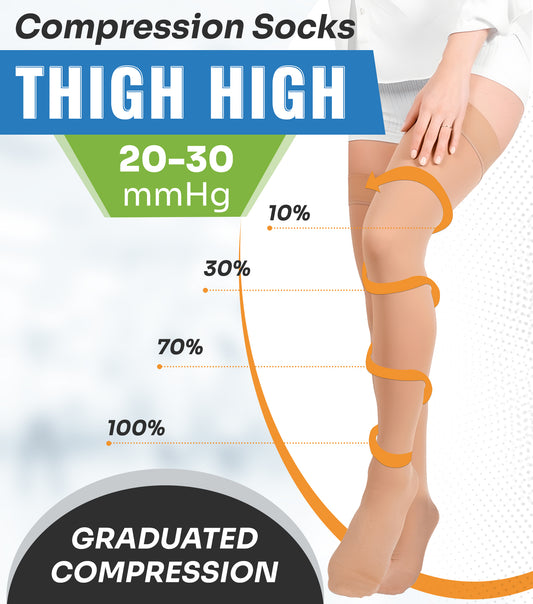
20-30 mmHg Compression Stockings Thigh-High, Closed Toe
Regular price $24.99Regular price Sale price $24.99Unit price -
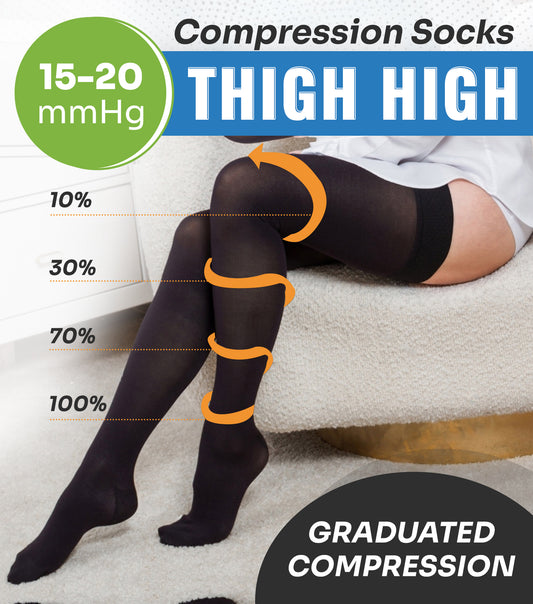
15-20 mmHg Compression Stockings Thigh-high, Closed Toe
Regular price $24.99Regular price Sale price $24.99Unit price
Featured Products
-
Grip Socks, SNUG360® Non-Slip Socks For Women (4 Pairs)
Regular price From $12.90Regular priceUnit price$14.99Sale price From $12.90Sale -
Men's Grip Socks with Non-Slip Soles (4 Pairs) | SNUG360®
Regular price $13.99Regular priceUnit price$14.99Sale price $13.99Sale

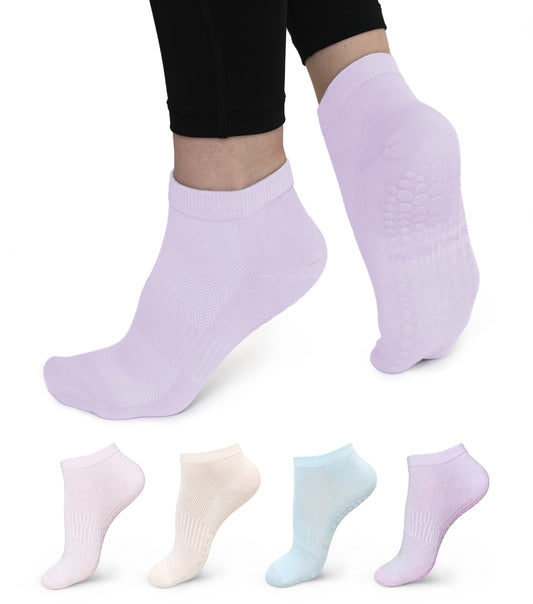

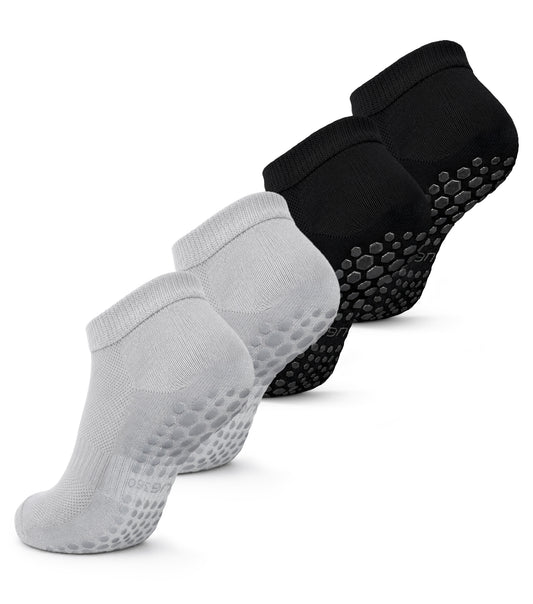
What Are Non-Slip Socks For The Elderly?
Gripper socks for elderly are a specialized type of footwear. The soles have textured, high-traction patterns bonded to the fabric. These tread patterns are usually made of either rubber or silicone and have enough grip to add traction on most slippery floors found in houses.
The primary difference between traditional socks and socks with grips for elderly adults lies right in the manufacturing design of the sole. Traditional socks and hosiery have a knit structure that is smooth and consistent throughout the foot.
Choosing non-skid socks for elderly adults and grip socks for seniors ensures you utilize durable tread pads along the soles of the socks to prevent dangerous sliding.
Why Are Falls At Home A Concern For Seniors?
According to the Centers for Disease Control and Prevention (CDC), falls are the leading cause of injury and a major threat to independent living for adults aged 65 and older.
The National Institute on Aging (NIA) has highlighted a few issues that may affect household safety, including:
- Slick Structural Flooring: A lack of natural surface friction is common with glossy ceramic tiles and stones and polished timber surfaces.
- Unnoticed Wet Patches: An accumulation of ice dispenser, sink, and bathtub drips, if unnoticed, is all it takes to cause a fall.
- Deceptive Stairs and Steps: Irregularities in gait are more common on steps and stairs with an extreme incline or an inappropriate lighting level.
- Loose Household Rugs: Small items like rugs are easy to miss. They can slide underfoot and cause a fall.
According to the NCOA, age-related vision changes, slower reflexes, weak muscles, and dizziness from medication make shoes or socks with grips for elderly individuals important for older adults.
Important Note: Non skid slipper socks for elderly cannot prevent all falls. They are positioned strictly as one supportive measure to improve surface grip.Why Are Regular Socks Risky On Smooth Floors?
Regular socks have a high potential for accidents due to low friction. Here are some of the potential accidents and the risks associated with regular socks:
- Zero Surface Traction: Textile fibers will have no trouble gliding across the smooth surface and provide no resistance.
- Shifting and Bunching: Sock fabric can slide and twist around the foot, making it harder to stand evenly.
- Moisture Amplification: Small spills soak into the fabric. Wet socks can act like a lubricant and reduce grip.
How Do Socks With Grippers For Elderly Help Prevent Slips?
Non skid socks for elderly prevent household slips by creating high levels of friction between a user’s feet and the floor. This occurs due to the socks’ raised, silicone- or rubber-based grips. As an older adult places their weight on a foot covered in these grips, they are pressed into the floor surface and are unable to slide the grip outward as fabric would.
These socks are made to work as indoor shoes for seniors who don't want bulky footwear at home. However, while grip socks for seniors can improve surface traction, they won't fix balance problems.

Regular Socks Vs. Grippy Socks For Elderly Comparison
| Feature | Standard Household Socks | Specialized Non Skid Socks For Elderly |
|---|---|---|
| Sole Construction | Uniform woven fabric (cotton, wool, synthetic) | Embedded silicone or rubber grip pads across the sole |
| Surface Traction | Extremely low traction on slick wood, tile, or laminate | Substantially elevated traction that actively resists sliding |
| Intended Usage | Designed primarily to be worn inside enclosed shoes | Specifically engineered for indoor walking without shoes |
| Cuff Design | Often overly tight or loose, prone to sagging | Comfort-focused, non-binding cuff stays secure without twisting |
What Should You Look For In Non-Slip Socks For Seniors?
When looking for the best non skid slipper socks for elderly, you should consider the following:
- Full Grip Coverage: A tread pattern that starts at the heel and runs to the toe.
- Non-Binding Cuff: An area with a loose knit to avoid the constriction of blood circulation.
- Snug Fit: Anatomical designs that prevent fabric bunching.
- Breathable Fabric: Socks with material that pulls moisture away from the skin.
- Seamless Toes: Construction that is flat and won't irritate skin.
Grip Socks from SNUG360 offer reliable, skin-friendly traction and comfort, providing helpful support to help prevent slips and falls.
Who Can Benefit From Grip Socks For Seniors?
Specialized grip socks for men and women grip socks provide essential traction and stability for daily tasks, making them ideal for the following individuals:
- Seniors Living at Home: Anyone walking over slippery surfaces like tiles, entryways, or hardwood floors will benefit from the socks.
- Individuals with Mild Mobility Changes: If you get fatigued easily or notice a slight change in your balance, these socks for seniors offer stability while you’re out and about.
- People in Post-Op Recovery: Individuals who have undergone a procedure, been out of commission due to illness, or who just have less balance than before should consider grip socks.
- Assisted Living Residents: Seniors walking on smooth corridors in residential facilities that demand steady footing.
Non-Slip Socks For Seniors Vs. Slippers Vs. Going Barefoot: What's Safer At Home?
Although socks with grippers for elderly are lightweight, slippers that provide structural support are safer for most seniors, particularly those with serious balance concerns.
Bare feet can easily be injured on cold surfaces or, due to the minimal friction provided, on smooth tiles. In most situations, even the most basic soft, backless slippers will provide a false sense of security, easily sliding on floors during use. To provide your senior with the most protection, look for a shoe that provides closure in the back and arch support and has a firm, rubber sole. In situations like diabetes and neuropathy, be sure to talk to your senior’s doctor to ensure the shoes meet their individual needs.
What Other Steps Help Prevent Falls At Home?
High-traction fall prevention socks provide great extra grip. Creating a safe living space requires removing everyday hazards and following a few essential home precautions:
- Clear Walking Paths: You can clear corridors and remove rugs. Also, put objects away and secure cords.
- Upgrade Lighting: Motion-sensitive lighting can be placed on stairs and paths.
- Install Grab Bars: Better lighting should be complemented by stronger grab bars and other grab bars for the toilet and the shower.
- Stay Active: Try balance and leg-strength exercises, such as Tai Chi.
- Schedule Health Checks: Review medications that may cause dizziness, and update eyeglasses as needed.
How Do You Care For Non-Slip Socks For Seniors?
Caring for non-slip socks for elderly at home takes only a few simple steps. They help the socks last longer and keep their grip.
- Follow Wash Instructions: It is better to use a lower heat setting to avoid shrinkage.
- Avoid High Heat: After drying, it is recommended to dry them by hanging on a towel to avoid damaging the sock grip.
- Replace When Grips Wear Down: Change them once the grips lose their shape or lose their grip entirely.

When Should You See A Doctor About Falls Or Balance?
Falling is serious and concerning at any age. At older ages, you should consult your doctor for any of the following:
- Recent Fall Event: Seek advice after a sudden fall or repeated near-falls.
- Dizziness: Call your doctor for frequent dizzy or lightheaded episodes.
- Unsteadiness: Watch a tendency to grab onto furniture to support oneself when standing.
- Loss of Feeling: Foot or hand numbness or tingling sensation should not be ignored.
- Increasing Weakness: See a doctor if weakness worsens or daily tasks become unsafe.
Frequently Asked Questions (FAQs)
1. Do non-slip socks for seniors really prevent falls?
While non-slip socks do not prevent all falls or fix balance issues, they remain a practical asset for daily safety. They provide reliable surface traction on slick floors, helping lower the risk of casual indoor slips.
2. What are the best non-slip socks for elderly people?
The best options feature full-sole grip coverage from heel to toe, breathable fabrics, and a snug, non-binding fit.
3. Are grip socks safe for seniors with diabetes?
Diabetic seniors must consult a podiatrist first to avoid tight elastic, thick seams, or friction that can cause skin injuries.
4. Should seniors wear non-skid socks for elderly to bed?
While not preventing falls entirely, they reliably improve traction and reduce slipping risks.
5. Can socks with grippers for elderly be worn on carpet?
Yes, though their grip pads are built for smooth wood or tile, while thick carpets often require sturdy shoes for stability.
6. How tight should non-skid slipper socks for elderly be?
They should fit snugly to prevent bunching, but the top cuff must never restrict circulation or pinch the skin.
7. How often should grip socks for women be replaced?
Replace them every few months, or immediately when the silicone grips wear smooth, peel, or the fabric thins out.
8. Are socks with grippers for elderly better than slippers for seniors?
It depends on mobility needs; socks offer lightweight indoor traction, while closed-back slippers provide more structural support.