

In This Blog:
- Introduction
- What Is Pregnancy Stomach Support?
- How May Stomach Support Help During Pregnancy?
- When Might You Consider Additional Support?
- How to Check Fit and Use Support Comfortably
- What Stomach Support Cannot Do
- When to Contact Your Pregnancy Care Team
- Find Your Perfect Fit & Shop SNUG360 Belly Support Bands Today
- Frequently Asked Questions
Pregnancy is a beautiful journey, but it also comes with physical and emotional changes. As your belly grows, it works hard to support extra weight and shifting posture that leads to aches, pressure, and discomfort. Pregnancy stomach support is one of the simplest solutions that helps women feel comfortable and supported during this special stage of life. If you are unsure whether it supports your stomach during pregnancy and is worth investing in, here is the short answer: It is not a one-size-fits-all answer. For pregnant women it may help make daily movement a little more comfortable. The effectiveness and results depend on your body, your daily routine, and what's causing the discomfort. This garment is meant to offer support, but it can't cure any underlying issue that is causing pain or discomfort. In this guide we will break down for you what stomach support for pregnancy is, how it may help, how to check the fit, what it can do, and when it is crucial to consult a healthcare professional.
Featured Products
-
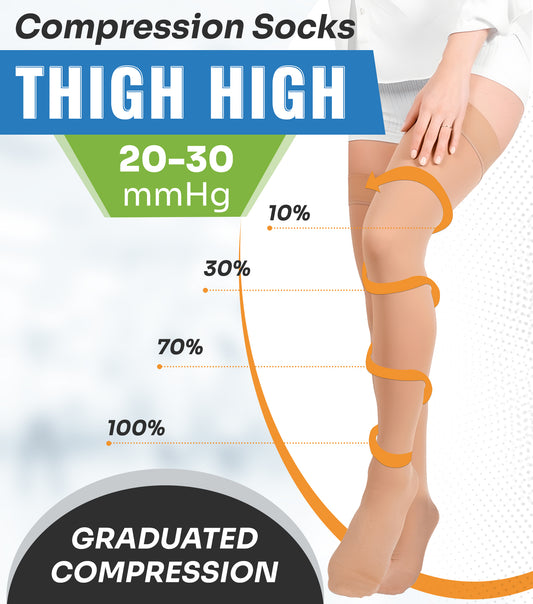
20-30 mmHg Compression Stockings Thigh-High, Closed Toe
Regular price $24.99Regular price Sale price $24.99Unit price -
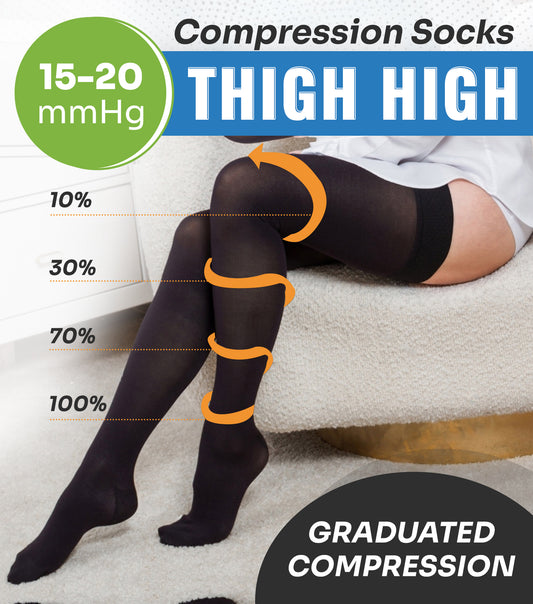
15-20 mmHg Compression Stockings Thigh-high, Closed Toe
Regular price $24.99Regular price Sale price $24.99Unit price -
Anti-Embolism Stockings Thigh High, 15-20 mmHg, White
Regular price $16.99Regular price Sale price $16.99Unit price


Featured Products
-
Pregnancy Belly Band, SNUG360® Belly Support Band
Regular price $24.99Regular price Sale price $24.99Unit price -
Abdominal Binder & Wrap, SNUG360 Belly Binder
Regular price $24.99Regular price Sale price $24.99Unit price

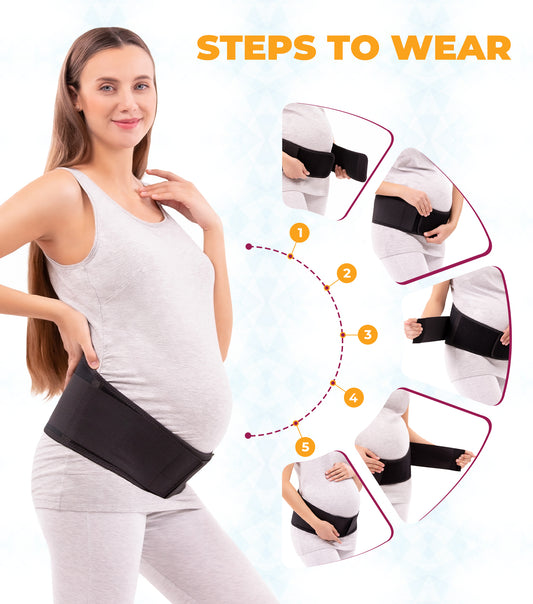
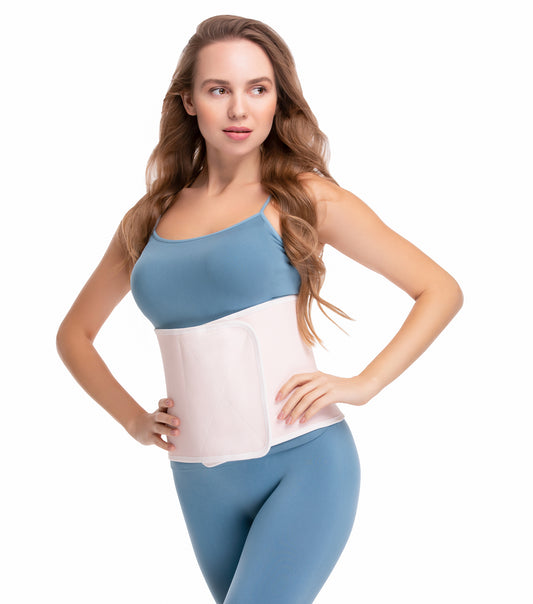
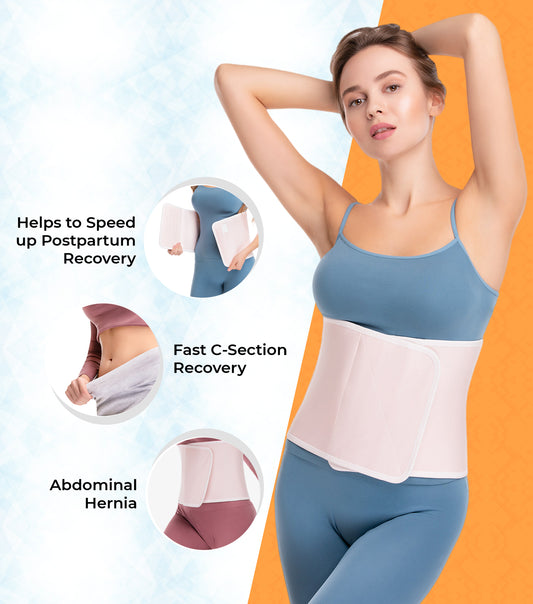
What Is Pregnancy Stomach Support?
Pregnancy stomach support, or pregnancy belly band, is a specialized garment that is worn around the abdomen and hip area, and it cradles a growing belly. It is designed to offer external support to your growing belly by gently lifting and distributing the load more evenly. You will typically see two styles. Belly bands that feature soft, stretchy tubes that slide over the abdomen offer light compressions and gentle little lifts. And support belts that are adjustable and a bit more structured, sitting under the belly and wrapping around the lower back with hook-and-loop fasteners. Which one you choose depends on your own personal preference, support needs, and adjustability you want.
How May Stomach Support Help During Pregnancy?
As pregnancy progresses, your center of gravity shifts forward. This changes how your spine, hips, and core muscles work, often leading to fatigue by the end of the day. The stomach support for pregnancy can help manage daily fatigue and help you feel much steadier as they move around daily. Because every woman carries pregnancy differently, this support band may help one person feel relief, while another one may feel nothing special, which is completely normal. The muscle tone, body shape, number of previous pregnancies, and the demands of your day all play a part. Here is how it commonly helps during pregnancy.
Back and Pelvic Discomfort
Pain in the lower back is the most common complaint of pregnant women. According to PubMed Central, approximately 50-80% of pregnant women experience back pain. Some women feel sharp and more localized discomfort around the pelvic. You need to understand that not every pain is associated with it, and they don't always have the same cause. Muscle tiredness, ligament stretching, and pelvic girdle pain can all feel similar from the inside. Pain relief is possible with a specific type of support for pelvic girdle pain in pregnancy, but it doesn’t show that every garment helps every person. So it’s fair to say some people find support helpful and some may not.
That’s why we’d encourage anyone dealing with ongoing pelvic or back pain to get it assessed by a physical therapist or their healthcare provider. Support might make a day feel easier, but a professional can help you identify what’s actually going on and what else might help. Trying to self-diagnose from a list of symptoms online usually leaves you more confused.
Comfort During Everyday Activities
Nowadays most pregnant women continue to work, do chores, cook, exercise, manage other toddlers, and stay active instead of resting or being inactive. To help ease the downward pressure on the pelvis during these activities, many women may find that wearing a light support garment can help make everyday movement much more manageable. Simple activities such as walking, standing, and doing light chores such as cooking feel less tiring because the extra lift helps stabilize the hips and pelvis.
However, using a support garment does not mean you should push past your limits. Take frequent breaks regularly from chores and support belts as well; don't wear them for too long at a time. Listen to your body signals and stop immediately if something hurts. Increased comfort can never replace rest, so never ignore your body signals.
When Might You Consider Additional Support?
There is no specific time when a supportive band is necessary to wear. Some women consider using it during the 2nd trimester, while some may require it when they feel strain, heaviness, and a pulling sensation. The right time to use this support varies based on person, activity, and daily support needs.
If standing or walking for long periods, or normal activities, are uncomfortable, maternity support might be considered. As the belly grows, the baby's posture may change, too, which can also signal the need for extra support. Talk to your midwife, doctor, or physiotherapist before you select a support garment. A health care professional can assess if it is suitable for your needs and show you how to place it properly.
How to Check Fit and Use Support Comfortably
It is important to select the right fit for comfort and support. A loose-fitting band might not offer the support needed, and a tight-fitting band can limit movement and cause pressure.
Follow these steps to check the fit:
1. Prepare Before Wearing
Stand with a good, straight posture. Put the support garment under a thin layer or directly against your clothes, as per the manufacturer's instructions.
2. Position It Correctly
Put the support under your tummy to support the bump from underneath. It must not squeeze the belly. If you're using belt-style designs, make sure the back panel fits snugly over your lower back.
3. Adjust the Fastening
Tie it slowly until it is supportive, but not tight. There should be no restriction in breathing or movement. If you feel discomfort or too much pressure, adjust or loosen it right away.
4. Check Your Movement
Walk a little, and sit and stand. The garment should not roll, slip, dig into the skin, or impede movement.
5. Monitor Your Comfort
Consider the feel of the garment when it is worn. Take it off if you feel short of breath or more uncomfortable or experience new pain.
Quick Fit Checklist:
- Does the band fit under the bump?
- Do you have a normal breathing rate?
- Does it stay in place when in motion?
- How's the fit? Do you feel any pinching or irritation?
Always refer to the manufacturer's instructions for fitting requirements, as they may differ between design and brand.
How long do you need to wear the pregnancy support?
Maternity support garments are typically designed to be worn during the day, not all day long. Do not wear any support garments when sleeping unless instructed to do so by your health care provider. The length of time that it is appropriate to wear will vary based on comfort, symptoms, and individual pregnancy requirements. If you aren't sure how often or for how long to use one, ask your care provider.
What Stomach Support Cannot Do
Pregnancy stomach support is not intended to be a substitute for medical treatment or professional medical care. It is not a diagnosis or treatment for medical conditions, does not provide a guarantee of relief from back or pelvic pain, or confirm the safety of a specific activity for pregnancy. It also depends on the person and type of support garment. If the garment causes discomfort, remove it. If symptoms last or are unusual, always talk to your health care provider.
When to Contact Your Pregnancy Care Team
Some symptoms should be treated medically, and a support garment should not be used if those symptoms persist. For instance, if you have pain with bleeding, fever, frequent contractions, or painful urination, notify your pregnancy care team promptly. If pain is more than just moderate and is not going away or getting worse, or if it feels different or worrisome, get medical help. If you are unsure about any symptom, seek advice from your health care provider.
Find Your Perfect Fit & Shop SNUG360 Belly Support Bands Today
During pregnancy, the body changes, which can impact comfort, posture, and mobility. Maternity garments that fit well can offer extra support when doing everyday activities, which can make it easier to move around. But it is important to select the right product, fit it correctly, and follow expert advice. Other measures of comfort such as sufficient rest and proper activity should be used in conjunction with stomach support for pregnancy.
Shoppers searching for stomach support during pregnancy are often worried about sizing mistakes, rolling fabric, and improper pressure on the bump and pelvis. We at SNUG360 offer one of the best belly support bands. To find more information on the product, check out our website and discover more about the maternity support and which one is right for you and your pregnancy comfort needs.
Frequently Asked Questions (FAQs)
1. Can stomach support for pregnancy help with back discomfort?
Yes, for some women a maternity support garment can make them more comfortable by supporting growing bumps. But the claims are limited in research. If the pain persists, it should be evaluated by a health care professional.
2. When should I consider pregnancy stomach support?
Typically around the second trimester. Talk to your health care provider about it when your belly weight starts to make it tough to move around or interfere with your daily activity.
3. How should pregnancy stomach support fit?
The garment should fit under your bump and offer gentle lift without interfering with your breathing and movement. It should ease strain on the spine and ligaments during physical activities.
4. Can I wear pregnancy stomach support all day?
Continuous wearing is not recommended. It should usually be worn for activities that require extra support and are removed during regular breaks throughout the day. Your healthcare provider will be able to give an accurate wearing timeline.
5. Can I sleep while wearing stomach support?
Maternity support garments are most likely not intended for nighttime wear. Do not wear the garment when sleeping, unless otherwise advised by a health care provider.
6. What should I do if support makes discomfort worse?
Take it off right away. If the pain is still present or if there are any worrisome symptoms, call your healthcare provider or pregnancy care team.
